Industrialized fashion, also coined as Fast Fashion by massive clothing corporations, is producing inexpensive, trend-based clothes at extremely high speeds to keep consumers in a constant cycle of buying. Led by global brands such as Shein, Zara, and H&M, this model has transformed clothing from a lasting necessity into a quick disposable product. But behind the greatly desired low prices and ever-changing trends, lies a steadily growing environmental crisis woven into the fabric of the industry. As massive corporations flood stores and the internet with new styles each week, millions of garments are discarded after only a handful of wears. This constant cycle of overproduction and waste releases harmful dyes and synthetic fibers into the environment. As a result, ecosystems are increasingly burdened by pollutants created by the fast fashion industry. What seems like harmless shopping has quietly become not only one of the fashion industry’s most damaging environmental consequences, but one of the biggest global environmental concerns as well.
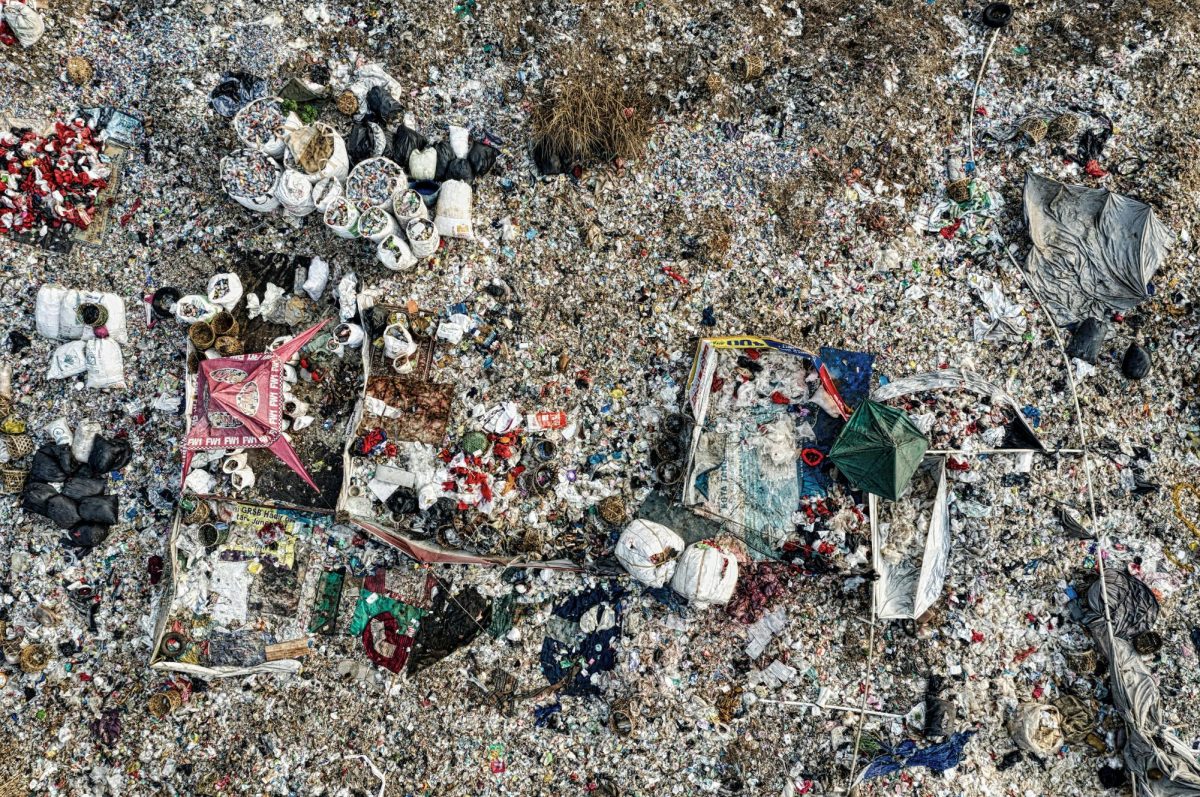
Among the glaring consequences of fast fashion, textile waste is one of the biggest in terms of environmental damages. Since many fast fashion garments are cheaply made, consumers are able to purchase more easily, turning clothing into a disposable product rather than a lasting necessity – the results are staggering. According to the National Institute of Health, the global production of textile waste was 92 million metric tons in just 2025 alone, and is projected to be greater this coming year. In addition, UNEP reports that the average person buys 60% more clothing than they did 15 years ago, yet keeps each item for only half as long. A truckload of abandoned textiles are dumped and incinerated in landfills every second. While incinerating landfills frees up space, it doesn’t get rid of its detrimental footprint. As plastics are burned, they release greenhouse gases and harmful pollutants into the air.
This cycle of overproduction, followed by immediate discarding, directly contributes to microplastics. According to UNEP, the fashion and textiles sector accounts for 9% of the microplastic pollution reaching the oceans annually and the European Environment Agency (EEA) estimates that 200,000 to 500,000 tons of microplastics from textiles enter the global marine environment each year. Jacqueline Alvarez, Chief of UNEP’s Chemicals and Health Branch, warned that the fashion industry is driving excessive consumption and worsening waste pollution, and that its environmental impact will keep rising unless all sectors move toward more sustainable and circular practices.
Yet the consequences of fast fashion do not end with polluted waterways and carbon emissions, they also pose growing risks to human health. As synthetic garments are discarded, burned, or broken down over time, they emit microplastics and chemical residues creating irreversible impacts on the air, soil, and water. The United Nations Environment Programme reports that microplastics can enter the human body through ingestion and inhalation, and notes that on average adults may consume between 39,000 and 52,000 microplastic particles per year. On top of that, they also state that microplastics can be found throughout the body, including within vital organs such as the walls in our heart arteries. Findings such as these heighten concern over the long-term health risks associated with continued exposure to textile-related microplastics. Furthermore, the EEA reported that in 2023, a staggering 70 chemical risk alerts were issued for the overproduction and the disposal of clothing, textiles, and fashion items in the EU, with 85 percent of those alerts tied to human health risks; more than 60% involved chromium (VI) levels above safety thresholds, which may trigger allergic reactions. The cost we pay doesn’t end at the register; it lingers in the air, water, and human body. Ultimately, fast fashion’s crisis is no longer just a matter of style, but of public health and collective responsibility.
The younger generation is stepping up to take action against fashion corporations, holding them accountable and calling for immediate reform. Kathleen Rogers, president of EARTHDAY.org, calls for major fashion corporations to halt the “global crisis of waste and environmental harm.” The normalization of mass production of clothes, plastic-based garments designed solely to be discarded and bought again, is one of the key causes for pollution. Rogers places the responsibility on the fashion industry, as she posits her claim that they prioritize profit over sustainability.
Fast fashion has woven environmental destruction and public health risks into the fabric of modern consumer culture. On the surface, the consumption and production of fast fashion appears to be harmless, but major corporations like Shein, Zara, and H&M profit from unethical overproduction, while the community and our ecosystem pay the unfair price. Until these companies begin to slow production, reduce waste, and prioritize sustainability over profit, the crisis they have helped create will only continue to grow. The future of fashion depends not on what is cheapest or trendiest, but on whether the industry can finally begin to value responsibility over speed.