What exactly are stablecoins? How do they work, and why are they attracting so much
attention from both Wall Street and Washington? And are they really the future of
money, or just another passing trend?
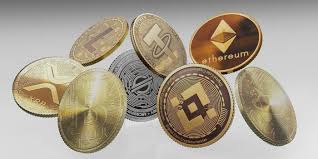
Stablecoins are starting to play a major role in how money moves around the world.
Once seen mainly as a tool for crypto traders, these digital tokens are now being used
in everyday payments, international transfers, and even large business transactions.
With more than $170 billion in total market value, they are quietly becoming part of the
mainstream financial system.
What makes stablecoins different from other cryptocurrencies is that their value is tied
to traditional currencies, such as the U.S. dollar. This makes them more stable, easier to use,
and more attractive for individuals and businesses that want speed and convenience
without the price swings that come with coins like Bitcoin.
In 2023, PayPal launched its own U.S. dollar–backed stablecoin, while JPMorgan is
using one to help move billions of dollars for its corporate clients. These are signals that
parts of the financial industry are already moving toward what some are calling “Banking
2.0,” a more digital, flexible version of money and banking.
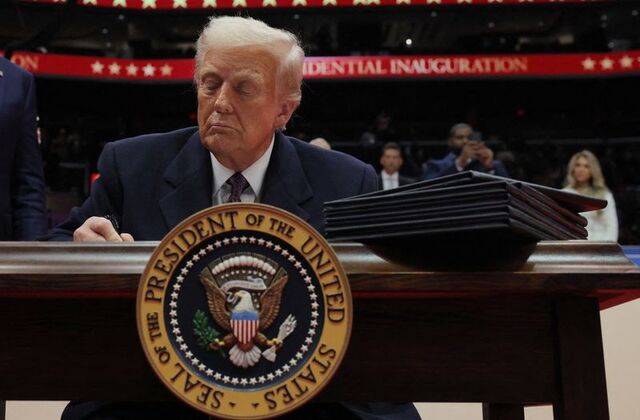
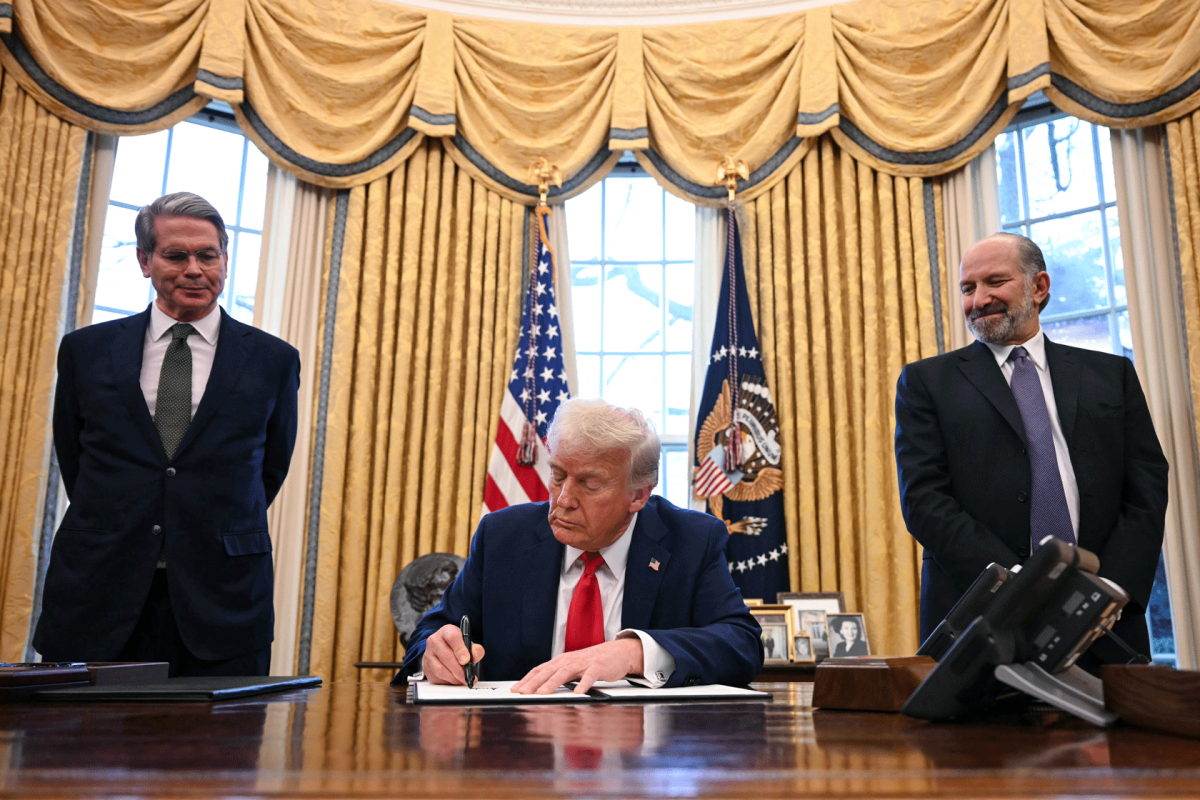
Meanwhile, lawmakers and regulators are trying to keep up. In the U.S., there’s a
growing debate over how to manage the risks and opportunities stablecoins bring. The
GENIUS Act, one of several bills under discussion, aims to set clear rules for how
stablecoins should be backed, issued, and supervised. Similar efforts are already in
motion in Europe and Asia.
Supporters believe stablecoins could make financial services faster, cheaper, and more
accessible. Critics worry about risks to the banking system, lack of transparency, and
the potential for fraud or misuse.
The history of stablecoins begins in 2014 with the emergence of the first crypto backed
coins designed to reduce volatility within cryptocurrency markets. Since then, the
market has expanded to include different types of stablecoins, each with distinct
mechanisms for maintaining a stable value. The primary stablecoin examined in this
article will be Fiat-backed stablecoins. Fiat refers to a currency(like the U.S. dollar) that
is not backed by a physical commodity, such as gold or silver. Instead, its value is based
on the issuer’s government decree and the public’s trust in the stability and credit of that
government.
Fiat-backed stablecoins are stablecoins that claim to be backed by a fiat currency. The
process begins with the user sending traditional fiat money to the stablecoin issuer, and
the issuer creates and issues an equivalent amount of the stablecoin token on a
blockchain. A blockchain is a decentralized digital ledger, like a shared public notebook,
where transactions are grouped into blocks and linked in a secure, unchangeable chain
using cryptography(the art or practice of writing or solving codes). No single person or
group controls it, and once information is added, it’s permanent, making it transparent,
secure, and ideal for tracking assets or verifying data across a network. The issuer
holds the exchanged fiat currency in a reserve account, usually in a regulated bank or
invested in safe, short-term assets like government treasuries. Users can theoretically
exchange their stablecoins back to the issuer for the real fiat currency, maintaining the
token’s stable value. Blockchain technology records and verifies all transactions,
providing transparency and security for the stablecoin’s circulation.
Fiat-backed stablecoins offer several attractive benefits, especially when compared to
the volatile traditional crypto currencies. The most significant benefit of fiat-backed
stablecoins is their price stability. Since these stablecoins are binded to traditional fiat
currencies, their value remains relatively constant. Price data shows major stablecoins
like Dai (DAI) consistently trade at or near $1, with very small daily percentage changes.
This stability makes them an appealing option for those who want to use
cryptocurrencies for everyday transactions but are worried about the sharp price
fluctuations of more volatile digital assets like Etheruem or Bitcoin. Secondly,
Fiat-backed stablecoins allow borderless transactions. Some of the advantages include
cross-border transactions, reduced transaction fees, and financial inclusion.
Additionally, Fiat-backed stablecoins combine the reliability of traditional fiat currencies
with the speed and transparency of blockchain technology. Benefits include lower
transaction costs, instantaneous transfers, and transparency.
While fiat-backed stablecoins provide numerous advantages, they are not without their
challenges. They are subject to various regulatory and compliance requirements.
Stablecoins may have to adhere to anti-money laundering regulations and regular
audits and reserve disclosures. Additionally, most fiat-backed stablecoins are issued
and managed by centralized entities, which means they are dependent on traditional
financial institutions.This brings up some risks, as if the issuer of the stablecoin
experiences issues, users may lose confidence. Furthermore, the lack of a fully
transparent reserve mechanism from the institutions can be a point of concern for users,
as trust and transparency is key.
Stablecoins are being used mainly for investors to park their money and cross border
transactions. Despite the issues with regulation requirements and transparency, there is
a real possibility that stablecoins take over the future of money, because they offer the
speed, cost savings, and 24/7 global access of digital currency without the extreme
volatility of other cryptocurrencies. They enable faster and cheaper cross-border
payments, have programmable features for automated transactions, and are being
adopted by businesses for everything from payroll to wholesale payments. Stablecoins
provide a stable, digital medium of exchange that bridges the gap between traditional
finance and the crypto ecosystem.
The future of stablecoins is as a bridge between old and new finance, making digital
payments and transactions faster, cheaper, and more global. They are expected to
become a more common, though often invisible, part of everyday online payments and
international transfers, while also being used in new ways for global trade and financial
markets
Categories:
Stablecoins and Banking 2.0: The Future of Money
February 8, 2026
More to Discover